
Want a quick AI-Powered summary?
In Brussels, perception carries weight. European institutions, international associations and multinational organisations operate in a context where visual consistency directly influences trust. A fragmented identity suggests internal disorganisation. A coherent one signals stability.
If you are considering visual identity design services in Brussels, the objective is not simply to modernise a logo. It is to build a structured system that supports every publication, report and event your organisation produces.
What visual identity really covers in 2026
Visual identity is often reduced to logos and colours. In reality, it is a functional framework that defines how communication behaves. A complete system includes:
- Logo architecture and variants
- Typography hierarchy
- Primary and secondary colour systems
- Grid structures for publications
- Iconography language
- Photographic direction
- Infographic styling rules
When properly developed, this system ensures consistency across:
- Annual and sustainability reports
- EU-funded project materials
- Conference branding
- Digital platforms
Internal documentation In Brussels, where institutional communication is dense and multilingual, this consistency becomes operationally essential.
For a broader view of how identity integrates into communication strategy, see our approach to graphic design in Brussels: https://jqrosvisual.eu/graphic-design-brussels/
Common signs your identity system is under strain
Rather than asking whether your branding feels outdated, consider practical indicators:
- Reports vary in layout year to year
- Presentation templates are inconsistently applied
- Partner logos disrupt visual balance
- Event materials look disconnected from corporate publications
- Internal teams frequently request ad hoc design adjustments
These are structural challenges, not cosmetic ones.
How a structured visual identity project unfolds
A professional process typically follows four phases.
Discovery and positioning
Workshops clarify organisational tone, stakeholder expectations and the Brussels policy environment in which the organisation operates.
Visual exploration
Different visual territories are tested, institutional, progressive, technical, corporate, to determine the appropriate balance.
System development
Once direction is defined, scalable components are created:
- Logo system and submarks
- Typographic combinations
- Colour logic with accessibility testing
- Layout grids adaptable to reports and presentations
- Guidelines and implementation
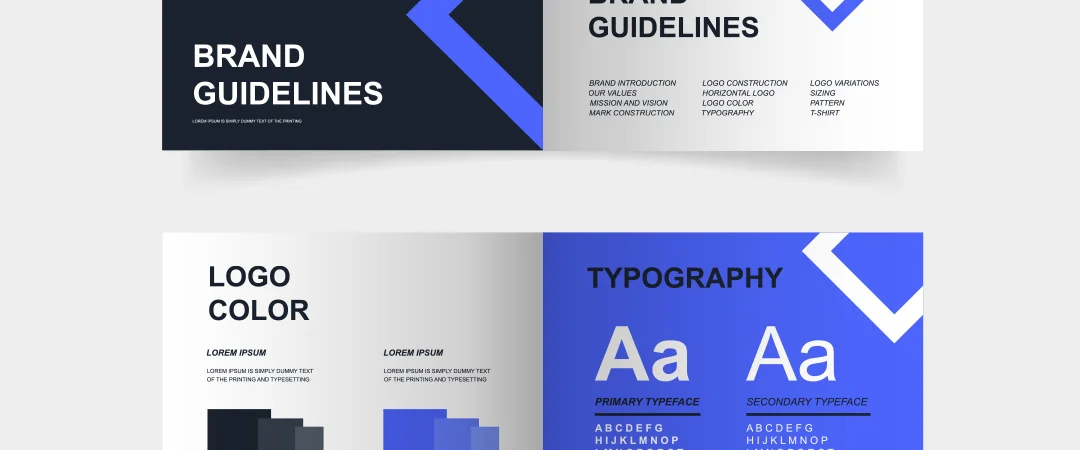
Clear documentation ensures internal teams and external partners apply the system correctly. A visual identity is only effective if it is usable.
The Brussels context
Organisations based in Brussels face additional complexity:
- Multilingual communication (English, French, Dutch)
- EU co-branding and partner visibility requirements
- Cross-border stakeholder audiences
- Institutional neutrality expectations
A visual identity must remain coherent across these variables.
If your organisation communicates at European level, your visual system should support reports, events and digital platforms without requiring constant redesign.
Explore our visual identity design services: https://jqrosvisual.eu/services
Investment perspective for 2026
In Brussels, identity projects typically range between:
- €5,000–€10,000 for small and mid-sized organisations
- €15,000+ for institutional-scale systems
Investment depends on:
- Number of applications
- Stakeholder complexity
- Depth of research
- Documentation requirements
- Implementation support
A well-developed identity reduces long-term design inefficiencies and strengthens institutional perception.
Visual identity refinement vs full rebranding
Not every organisation requires a complete overhaul. In some cases, the appropriate intervention may involve:
- Typographic refinement
- Layout standardisation
- Colour system clarification
- Brand guideline consolidation
A design audit can determine whether refinement or full redesign is appropriate.
Frequently Asked Questions – Visual identity in Brussels
What is included in visual identity design services?
Services usually include logo system development, typography selection, colour palette definition, layout grids, iconography systems and comprehensive brand guidelines.
How long does a visual identity project take?
Depending on complexity and stakeholder alignment, projects typically take between 6 and 16 weeks from discovery to final documentation.
Do you design identities for EU and international organisations?
Yes. Agencies experienced in Brussels understand multilingual adaptation, institutional tone and co-branding requirements.
Can an existing identity be updated rather than replaced?
Yes. Many projects focus on refining and strengthening an existing system instead of creating a completely new identity.