

Want a quick AI-Powered summary?
10 years simplifying complexity
A series of 10 lessons learned after helping EU-funded projects, NGOs and international organisations communicate complex information.
Lesson 6
Some ideas are difficult to explain in a single image
Some ideas are difficult to explain in a single image. A process develops over time, data changes, different elements interact, one action leads to another. Movement can become part of the explanation. Motion graphics allow information to appear in a sequence, directing attention and helping audiences understand how different elements relate to each other. That makes animation useful for explaining processes, research findings, data and technical concepts.
Good motion design starts with the same question as any other communication project: what does the audience need to understand? The answer determines what appears first, what needs emphasis and how information should be introduced. This connects directly with an earlier lesson: complex information should feel simple. Animation can help achieve that simplicity by breaking information into smaller steps instead of presenting everything at once.
Motion also works best when it is part of a wider communication system. As we discussed in every communication channel should tell the same story, an animation should feel connected to the reports, infographics, presentations, website and other materials around it. This is one of the reasons we incorporated Motion Graphics into our visual communication services. Once a concept and visual language have been established, animation can extend that communication into a format that adds rhythm and narrative.
Our Motion Graphics services help organisations turn complex messages into animated visual stories that can be used across websites, presentations, events and social media.
The same principle applies to data
A static chart can reveal an important finding, while animation can guide the viewer through how that finding develops or highlight the information that matters most. Learn more in data becomes powerful when it’s visual.
This does not mean every message needs animation, sometimes a chart is enough or an infographic explains the idea better or a report. Choosing motion should always depend on the message rather than the format itself. The goal is not simply to make information move, it is to help people follow the story.
Need to explain a complex idea more clearly?
We create motion graphics and visual communication that help organisations explain processes, data and technical information in a clear and engaging way.
Discover our communication philosophy
Adding new capabilities has always been about finding better ways to communicate. See how that thinking has shaped our work and services during our first 10 years.
Related lessons
Continue exploring our series 10 Years Simplifying Complexity:
Data becomes powerful when it’s visual
Complex information should feel simple
Reports deserve more than layout
Frequently Asked Questions
What are motion graphics?
Motion graphics use animation, typography, illustration, data and other graphic elements to communicate information through movement and sequence.
How can motion graphics explain complex information?
Motion graphics can break information into smaller steps, guide attention and show relationships, processes or changes over time, making complex topics easier to follow.
When should an organisation use motion graphics?
Motion graphics are particularly useful when a message involves a process, sequence, data, technical concept or story that benefits from being explained progressively.
How can motion graphics support other communication materials?
Motion graphics can extend an existing visual identity across websites, presentations, events and social media while maintaining consistency with reports, infographics and other communication materials.
We create motion graphics in Brussels for EU funded projects, NGOs and organisations across Europe
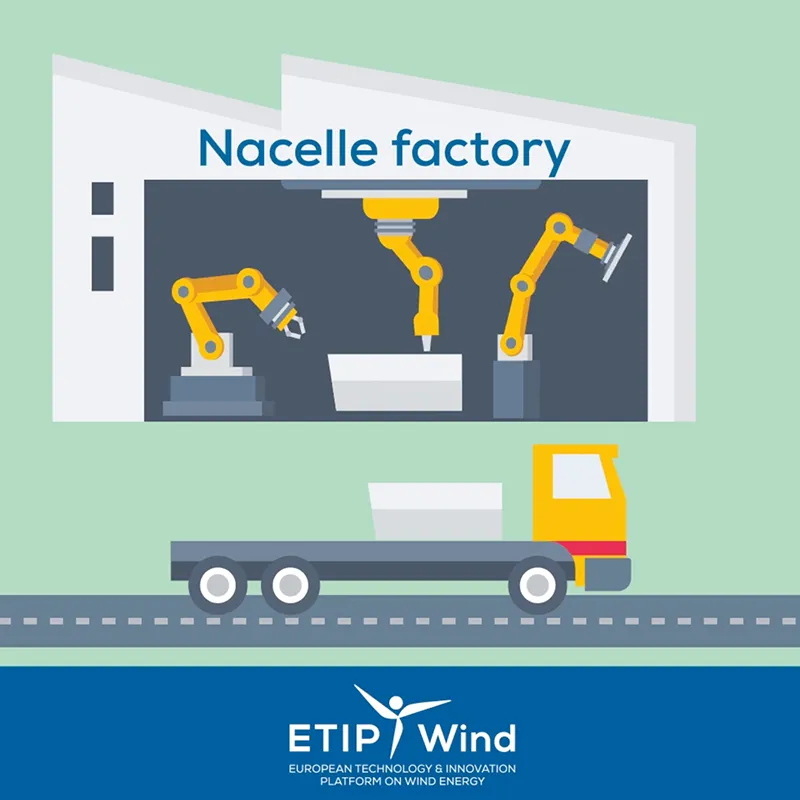
Megatrends shaping the next generation of wind energy
From manufacturing to sustainability, Research & Innovation is making the European wind energy industry more competitive, more efficient, and 100% sustainable.
Motion graphics developed for: WindEurope
Motion graphics
we craft motion graphics that help organisations explain ideas clearly and visually.
From climate action to social justice, we’ve worked with clients like COFACE Families Europe, ECOS, WindEurope and the CES – ETUC bringing their messages to life through animation.
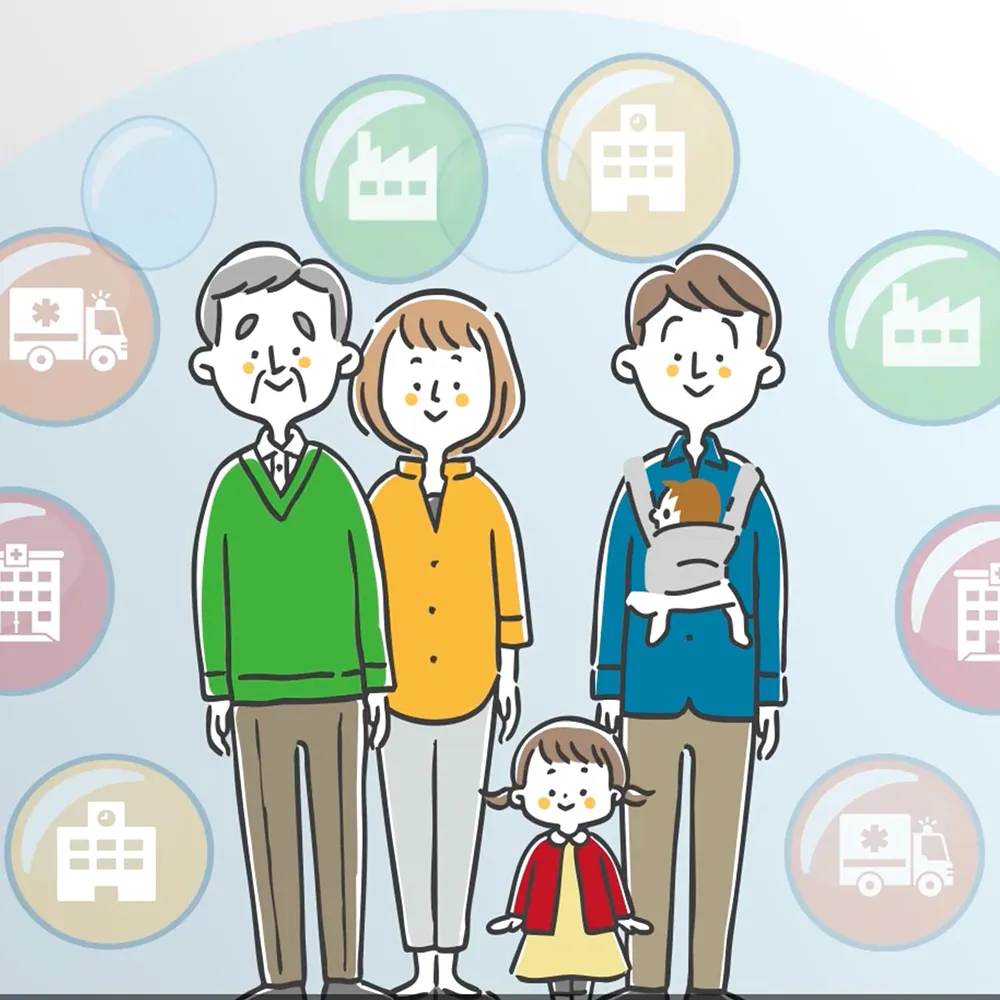
Valuing Care: A Core Element of Resilience in Social Policy (Video explainer)
This video reveals how social policies often fall short in supporting modern family life, especially during common transitions like balancing work and care. Discover why centering families in policy is crucial for a resilient Europe.Video explainer developed for: COFACE Families Europe
ETUC standardisation (video explainer)
This video explains the relevance of standards for trade unions and highlights why their engagement in European and international standardisation processes is increasingly important.
Video explainer developed for: CES – ETUC